The Road Lawyer · Former federal prosecutor
I know how federal cases are built. I used to build them.
If you got a target letter, a grand jury subpoena or a call from a federal agent, talk to a lawyer before you answer questions. Charles Irvin is a former Assistant U.S. Attorney. He has prosecuted federal cases, represented the State in federal court and brought federal civil rights cases. Today, from his office in Ridgeland, a short drive from the federal courthouse in Jackson, he defends people facing federal charges in both the Northern and Southern Districts of Mississippi.
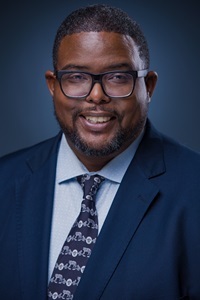
Former Assistant U.S. Attorney and former Assistant City Attorney assigned to the Jackson Police Department
How it works: Call 601.340.6800 or use the form below. Charles looks at what happened and talks through your options with you.
How Charles can help
Charles has worked in federal court from three seats. Each one shapes how he defends you now.
As a federal prosecutor. As an Assistant U.S. Attorney in the Southern District of Mississippi, Charles prosecuted federal cases in the years after Hurricane Katrina, including disaster fraud. He took cases through investigation, grand jury, plea agreements and sentencing. He knows how a federal case gets built, step by step.
As the State's lawyer. As a Special Assistant Attorney General, Charles represented the State and its officials in federal court and before the Fifth Circuit.
For people, against the government. As Legal Director of the ACLU of Mississippi, Charles brought federal civil rights cases. He was counsel for the plaintiffs in Kennedy et al. v. City of Biloxi in federal court in Gulfport. Early in his career, he was a public defender in Marion County's state courts.
He has argued before the U.S. Court of Appeals for the Fifth Circuit and briefed the U.S. Supreme Court.
Federal cases are different from state cases. Investigations can run for months before anyone is charged. Agents and prosecutors build a paper trail first. Judges start from the federal sentencing guidelines, and there is no parole. Charles knows how that process works from the inside, so he knows where to look for problems in the government's case and plan early.

Antonio L. Pittman is a retired federal agent and Irvin Law's Senior Strategist, with 27 years in state and federal law enforcement. He served as a Mississippi Bureau of Narcotics agent; a special agent and Resident Agent in Charge with the Bureau of Alcohol, Tobacco, Firearms and Explosives (ATF); Assistant Special Agent in Charge for the Army Criminal Investigation Division (CID) in Arkansas, Mississippi and Louisiana; and TSA Special Agent in Charge for the Southeast Region. He also served 15 years in the U.S. Army Reserve, including a tour in Iraq.
Antonio helps Charles study how a federal case was built: the agent reports, the timeline and the evidence behind the charges. He is not a lawyer and does not give legal advice.
What to expect
Agents gather records and talk to witnesses. You may get a target letter or a subpoena, or hear nothing at all.
A grand jury returns an indictment, or the government files a complaint.
A federal magistrate judge decides whether you can go home while the case is pending, and on what conditions.
You hear the formal charges and enter a plea.
Your lawyer reviews the government's evidence and challenges what should not be used.
Most federal cases end in a plea agreement. Some go to trial before a jury.
A probation officer writes a presentence report. The judge considers the federal guidelines and the facts of your life before deciding the sentence.
Appeals from Mississippi federal courts go to the U.S. Court of Appeals for the Fifth Circuit.
As a prosecutor, the State's lawyer, a civil rights lawyer and now a defense lawyer, Charles has practiced in federal courthouses in every division of both federal districts in Mississippi, from Oxford to Gulfport. He is admitted to practice in the U.S. District Courts for the Northern and Southern Districts of Mississippi.
Southern District of Mississippi Jackson, Gulfport, Hattiesburg, Natchez
Northern District of Mississippi Oxford, Aberdeen, Greenville
A target letter is a notice from federal prosecutors that you are a target of a criminal investigation. That means they believe they have evidence linking you to a crime. It often invites you to talk or to testify before a grand jury. Do not respond on your own. Call a lawyer first.
Not without a lawyer. Anything you say can be used against you, and a false statement to a federal agent is its own crime. Your lawyer can decide whether talking helps you, and can be there if you do.
Not always. At a detention hearing, the judge decides whether you can go home under conditions. Your lawyer can argue for your release at that hearing.
It depends on the charge, your history and the federal sentencing guidelines. There is no parole in the federal system. Charles explains the likely range early, so you can make informed choices.
Yes. Charles is admitted in both the Northern and Southern Districts of Mississippi and defends clients facing federal charges in both.
Lawyers: Charles accepts referrals and cocounsel requests on federal and serious felony cases. Call 601.340.6800.
I'm on my way.
Or request a free consultation online:
Emergency? Please call 601.340.6800 now and press 1.
Please do not describe what happened. Do not send facts about your case by email or type them into any AI tool. Those messages may not be private, and the other side may be able to see them. Leave your contact information and we will call you.
Sending this form does not create an attorney client relationship.
401 Legacy Park, Suite A
Ridgeland, MS 39157
Office hours: Monday to Thursday, 9 a.m. to 5 p.m.; Friday, 9 a.m. to 1 p.m. Free parking. Visits are by appointment.
Calling after hours? Leave a message or send the form, and Charles, Taisha or Leslie will call you back. If someone has been arrested, seriously hurt or killed, say so in your message, and we will get it to Charles right away. Only Charles gives legal advice.
